Inside inpatient hospice care
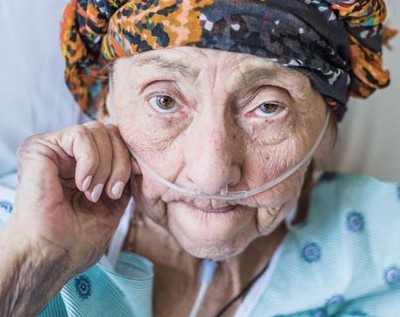
The hospital room is quiet now. Machines that once beeped and hummed have fallen silent. A patient rests peacefully, dressed in gardening clothes—a final wish honored. Nearby, a daughter holds her mother’s hand, comforted by the presence of a team that knows how to make these moments gentle.
This is the heart of hospice care.
When care shifts
For patients with advanced illness whose goals change from curative treatment to comfort, the transition can feel overwhelming. With hospice, that experience transforms:
- Symptom management: A nurse adjusts medication to ease labored breathing.
- Family support: A social worker guides loved ones through decisions they never imagined making.
- Spiritual care: A chaplain offers quiet words of reassurance — or simply listens.
Each role blends into a single purpose: making the final chapter as meaningful and calm as possible.
How hospice can help
Even when time is short, the transition to hospice for hospitalized patients offers substantial benefits for patients, families and hospitals:
- Rapid transitions and immediate care: Available 24/7/365 to support hospitals when every hour matters.
- Optimized symptom management: Comfort-focused care improves quality of life for patients with advanced illness.
- Family empowerment: Education and guidance ease anxiety and uncertainty during the dying process.
- Clinical capacity: Transitioning appropriate patients to hospice helps hospitals manage acute care resources effectively.
Although hospice eligibility begins with a six-month prognosis, it’s never too late to refer. Even a brief stay can make a lasting difference.
A team approach
Hospice care extends beyond clinical expertise. An interdisciplinary team provides comprehensive support:
- Medical care and coordination: Nurses manage symptoms in collaboration with a hospice physician.
- Emotional and psychosocial support: Social workers help families process fear, grief and complex decisions while facilitating difficult conversations.
- Spiritual care: Chaplains offer comfort tailored to patient and family needs, coordinating with clergy when requested.
- Bereavement services: Support continues for up to 13 months, including calls, counseling and keepsakes like Memory Bears.
This extended team means more support for everyone — patients, families and hospital staff.
A story of JF
Consider the 67-year-old patient, JF, who arrived with a devastating brain hemorrhage. Despite aggressive interventions — intubation, vasopressors, antibiotics — her condition worsened. After 10 days in the ICU, her family faced a choice: continue invasive measures or focus on comfort.
They chose hospice. A VITAS RN met with JF’s daughter at the bedside the same day, and general inpatient hospice care (GIP) level of care was initiated.*
The transition was deliberate and compassionate. The ventilator was removed gently, with medication to prevent distress. Antibiotics were stopped. Oxygen flowed softly. Thirty-seven hours later, she passed — peacefully, without the weight of machines, surrounded by love.
Her final wish — to be dressed in gardening clothes — was honored. Later, her clothing was used to create a Memory Bear for her family. A small gesture, but one that carried her presence forward.
These moments matter
Inpatient hospice care, whether in a hospital or freestanding inpatient hospice care unit, creates space for dignity, for quiet, for goodbyes that feel less rushed and more real. It’s a shift that changes not just how life ends, but how families remember it.
For hospitals, it means easing the strain on acute care resources while ensuring patients receive specialized end-of-life care. For families, it means clarity, guidance and the reassurance that their loved one’s final moments are peaceful and meaningful.
Even when time is short, the impact is lasting.
*Per Medicare guidelines, higher levels of care are provided when a VITAS physician determines a patient is eligible for a higher level of care (LOC) or GIP. Eligibility to remain on a higher LOC is assessed by a VITAS RN & VITAS physician daily. Higher LOCs are provided on a temporary basis until the symptom(s) are optimally managed.